About Me
- Home
- About Me
It can feel like you've tried everything
Living with a dog who has behavioural problems is exhausting.
The advice online contradicts itself. Your dog struggles to settle, seems permanently on edge, or behaves in ways that feel random. And somewhere in all of that, you’ve stopped feeling confident about what they need.
It leaves people frustrated, embarrassed and worried, and unsure what to do next.
What working together is like
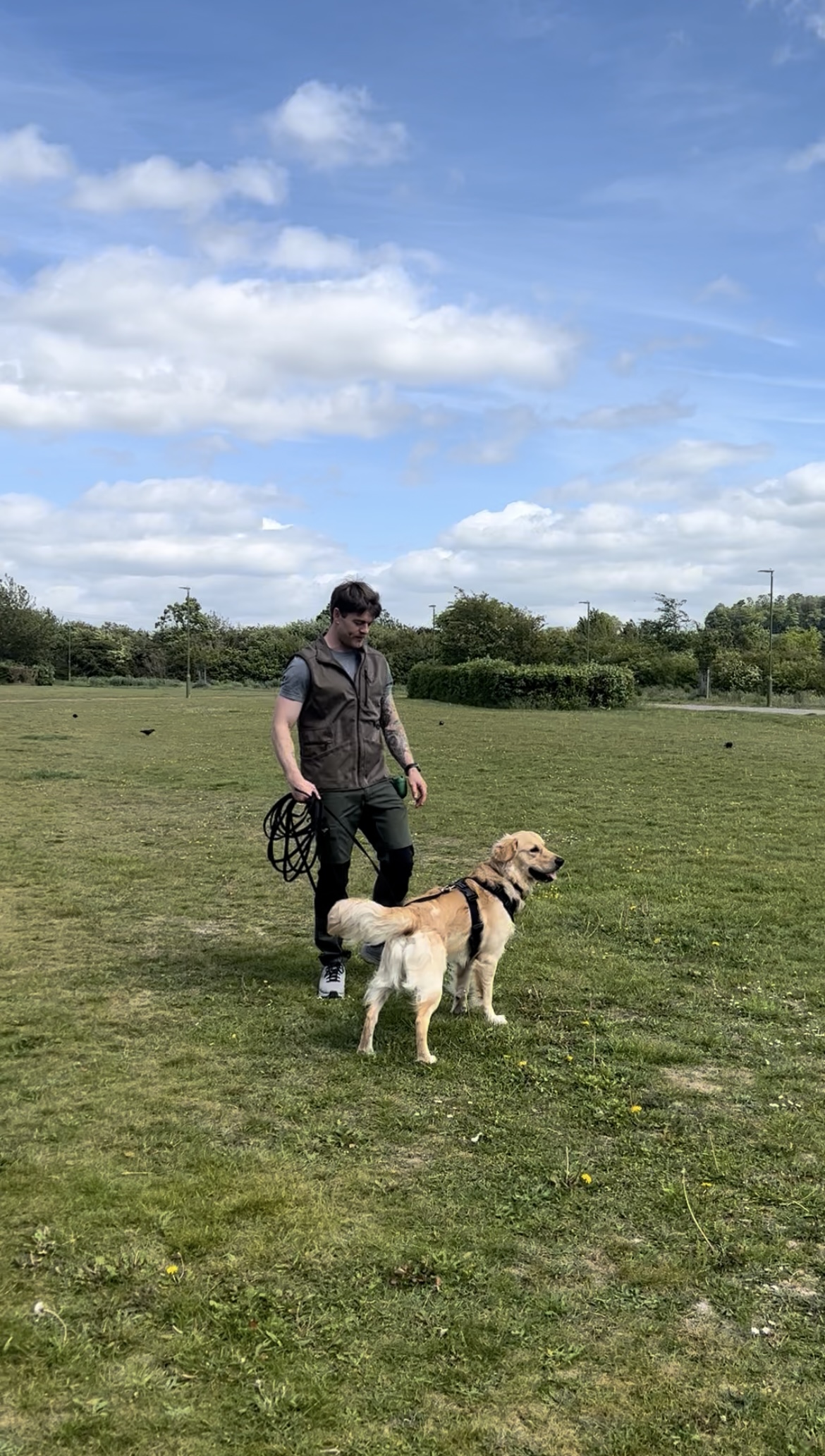
My job is to make your dog’s behaviour easier to understand.
We look at your individual dog, what their behaviour is telling us, and the situations they find difficult. You won’t leave a session with a list of complicated techniques and no idea what to do when real life happens. You’ll have a clear, structured plan that makes sense for you and your dog.
The work between sessions stays manageable. Short, practical exercises that fit into a normal week.
And I keep in touch as we go, so you stay confident with what you’re doing and the training stays on track.
The aim isn’t only that your dog’s behaviour changes. It’s that you feel calmer and better equipped to help them.
Who I work best with
You don’t need to know anything about dog behaviour before we start, and you certainly don’t need to get everything right.
You’ll probably get the most from working with me if you:
- want to understand your dog rather than simply stop a behaviour
- are willing to practise between sessions
- care about your dog's welfare and feel uncomfortable with punitive approaches
- are open to changing how you handle certain situations
- understand that real change takes time and consistency
If you’re looking for a quick fix, I’m probably not your person. If you want to understand your dog and build something that lasts, we’ll get on well.
How I work
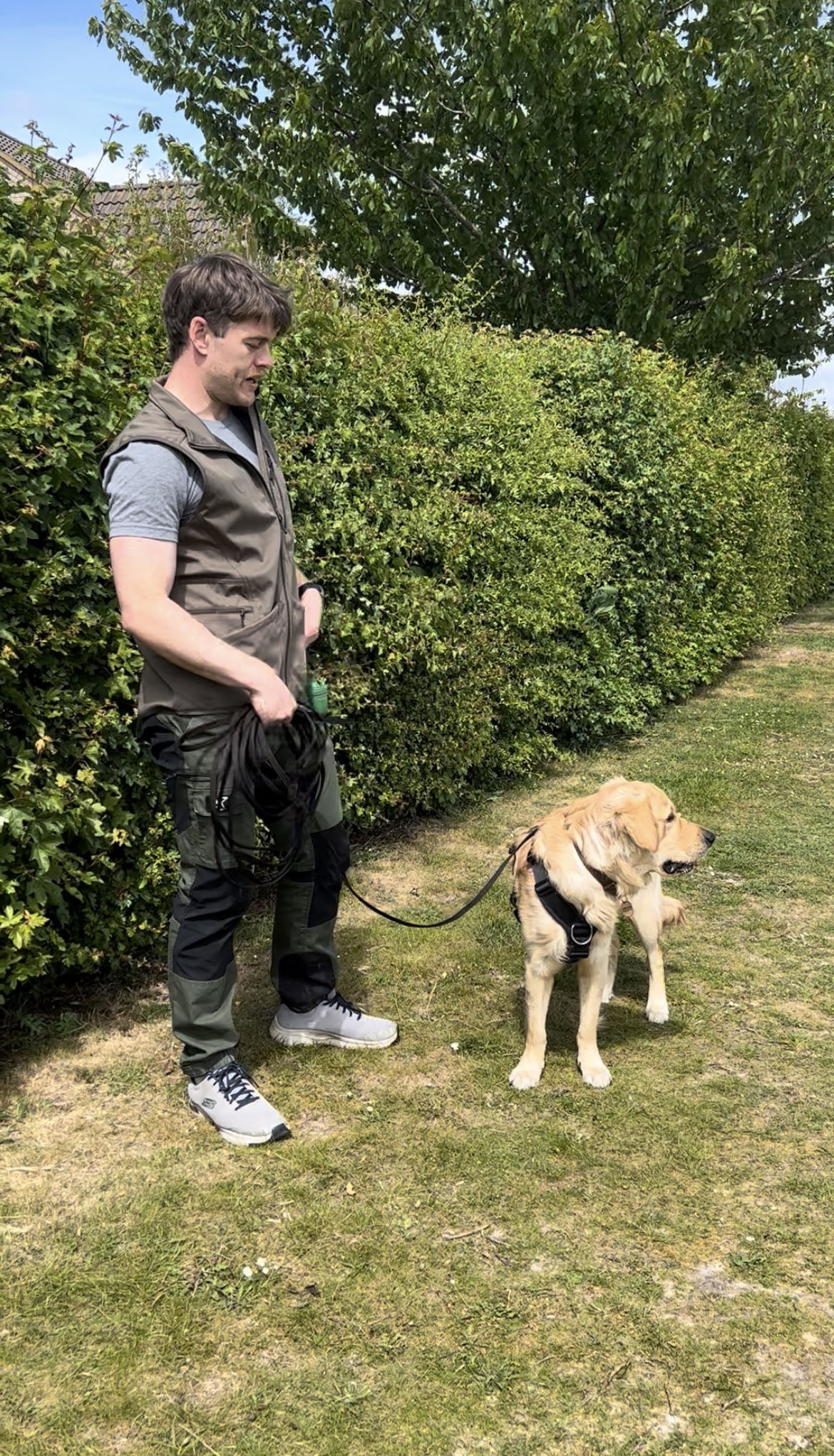
Your dog’s welfare is always at the front of what I do. Training should build trust, not rely on fear or intimidation.
Behaviour work is a partnership. I bring the knowledge, the structure and the coaching. What you do between sessions is what turns that into lasting change, and part of my job is keeping you on track and making sure you always know what we’re working towards.
Ultimately I want you confident enough that you don’t need someone standing next to you telling you what to do.
Testimonials


 Trustindex verifies that the original source of the review is Google.
 Trustindex verifies that the original source of the review is Google.
 Trustindex verifies that the original source of the review is Google.
 Trustindex verifies that the original source of the review is Google.
 Trustindex verifies that the original source of the review is Google.
 Trustindex verifies that the original source of the review is Google.
 Trustindex verifies that the original source of the review is Google.
 Trustindex verifies that the original source of the review is Google.
 Trustindex verifies that the original source of the review is Google.
Where to start
If you’re struggling and you’re not sure what the next step is, you don’t have to work it out on your own.
Book a free discovery call. We’ll talk about what’s been happening, what you and your dog are finding difficult, and what kind of support would actually help.